Loading...
Serving Jacksonville, IL and surrounding areas. (217) 271-0278
Starting a home addition or new structure and need a concrete slab that holds up through Morgan County winters and clay soil movement.
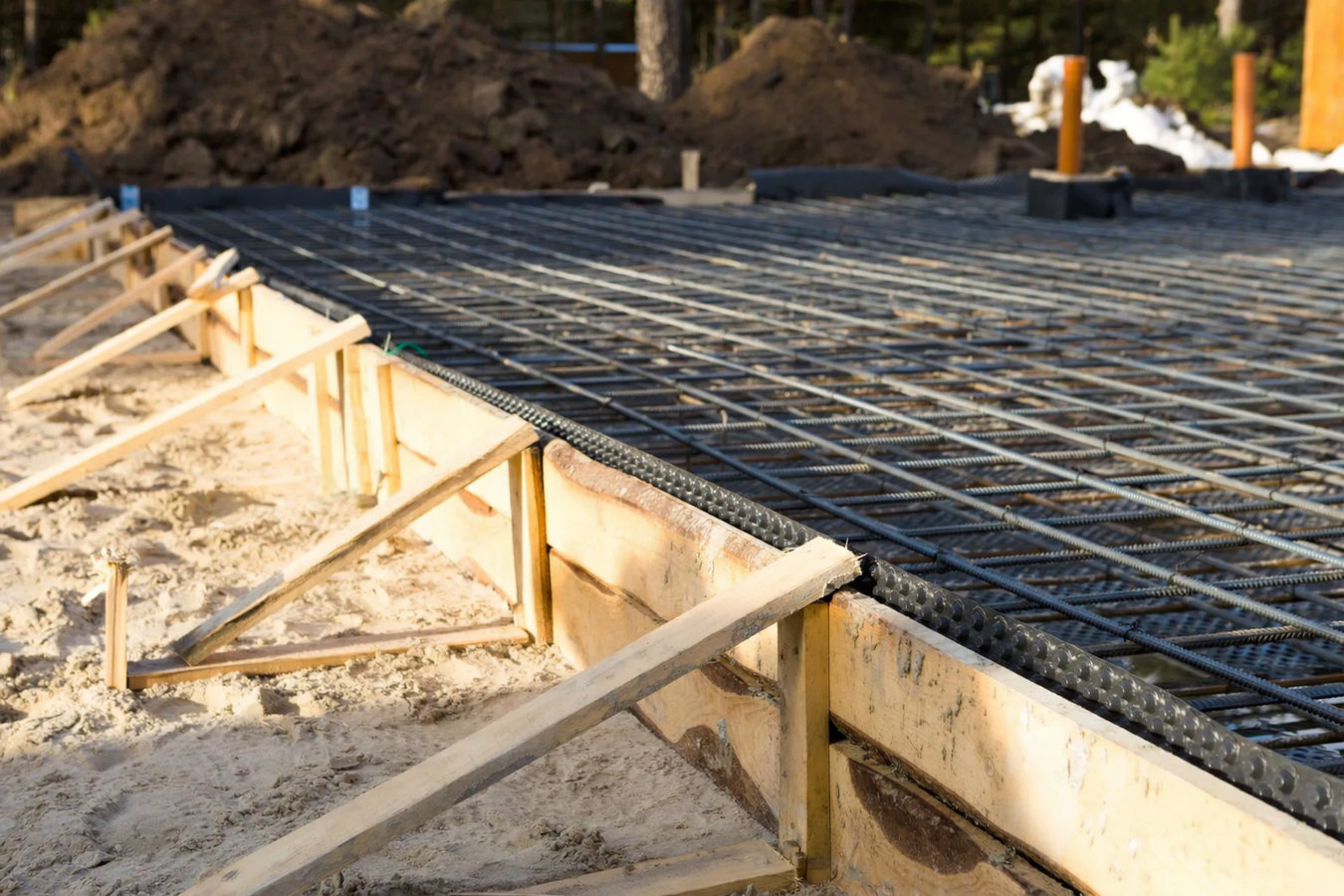
Slab foundation building in Jacksonville, IL means pouring a reinforced concrete pad directly on the ground, properly prepped with a compacted gravel base and moisture barrier, so the finished surface serves as both floor and foundation. Most home addition and garage slabs are completed in two to four days of active work, with a curing period of several weeks before the slab is ready to build on.
If you are adding a garage, sunroom, or outbuilding to your Jacksonville property, a concrete slab is typically the most practical and cost-effective foundation choice for a single-story structure. Many homeowners in this area are also replacing aging slabs in older garages or unfinished spaces that were poured decades ago without adequate moisture barriers or reinforcement.
For projects that require deeper structural support - such as a full basement or a load-bearing wall foundation - take a look at our foundation installation service, which covers excavation and full-depth concrete foundation walls.
If you are adding a garage, workshop, sunroom, or any new structure to your Jacksonville property, you need a slab foundation before framing can begin. A slab is typically the most practical and cost-effective foundation choice for single-story additions in this area.
Cracks wide enough to fit a quarter into, or diagonal cracks running from doorway corners, suggest the slab has shifted or settled unevenly. In Jacksonville's clay soil this kind of movement is not uncommon, especially in older homes where the original slab may have lacked adequate gravel base or reinforcement.
When a slab shifts, the walls sitting on top shift too, showing up as doors that will not close properly or windows that are suddenly hard to open. In Jacksonville, this kind of settling often happens after an unusually wet spring followed by a dry summer, as the clay soil swells and then contracts.
Damp spots, a white chalky residue, or standing water on a concrete floor that was previously dry suggest the moisture barrier under the slab may have failed or was never installed correctly. Left unaddressed, persistent moisture through a slab leads to mold, damaged flooring, and poor air quality.
Every slab foundation project we take on in Jacksonville starts with site preparation - grading the ground, compacting a gravel base, and laying a plastic moisture barrier before any concrete is placed. We then set steel reinforcement, pour the concrete to the specified thickness, screed and finish the surface, and cut control joints to manage shrinkage cracking. From new garage pads to home addition slabs tied into existing structures, we handle the full scope of the work.
For homeowners who also need deeper structural work - such as the concrete footings that support walls and columns - our concrete footings service can be combined with slab work on the same project. We also offer full foundation installation for new construction that requires basement walls or below-grade structural elements.
Best for homeowners building a garage, workshop, or accessory structure from scratch on a prepared lot.
Designed to tie new concrete into an existing older foundation, matching grades and preventing water intrusion at the joint.
A cost-effective base for storage buildings, garden sheds, or equipment pads where a full foundation is not required.
Ideal when an existing garage or unfinished space has a spalling, uneven, or water-damaged floor that is beyond repair.
Jacksonville sits in Morgan County, where the soil is predominantly clay - and clay behaves very differently from sandy or loamy ground. It expands when it absorbs water and shrinks when it dries, putting constant stress on concrete slabs over time. A contractor who does not account for this will pour a slab that looks fine at first and starts cracking within a few years. Getting the gravel base right, compacting the subgrade properly, and using control joints in the right places are the details that separate a slab built for this area from one that is not.
Central Illinois winters add another layer of complexity. The ground can freeze several inches deep from November through March, and that freeze-thaw cycle puts upward pressure on anything embedded in the soil. Fresh concrete poured in cold weather needs to be protected from a hard freeze before it has cured. Homeowners throughout the area - including in Beardstown and Pittsfield - deal with the same soil and weather conditions, which is why we time pours carefully and choose concrete mixes suited to local climate patterns.
Local authority resource: Portland Cement Association publishes guidance on slab construction best practices, including moisture barriers and cold-weather concrete placement.
We will ask a few questions over the phone, then schedule a site visit before giving you a written estimate. That visit typically takes 30 to 60 minutes and costs nothing.
Your contractor pulls a building permit from the City of Jacksonville before any work begins. You receive a copy of the permit number and know that inspections are scheduled.
The crew excavates, compacts the gravel base, and installs the plastic moisture barrier. Depending on grading needed, this phase takes one to three days and will disrupt the yard.
A concrete truck arrives early in the morning. The crew places and screeds the concrete, cuts control joints, and finishes the surface - the pour typically wraps in a single day.
We reply to all inquiries within 1 business day. Pricing is discussed during the site visit - no estimates are given without seeing the property first.
We will visit your site, assess the soil conditions, and give you a written quote - no obligation, no sales pitch.
(217) 271-0278Clay soil in the Jacksonville area expands and contracts with every wet-dry cycle. We account for this with thorough subgrade compaction and the right gravel base thickness - steps that are easy to skip but critical for a slab that does not crack.
Every slab we build in Jacksonville goes through the city permit and inspection process. That means a city inspector verifies the work at key stages, and you get documentation that proves the foundation was built to code.
The plastic vapor barrier placed under the slab is one of the most important parts of the job. In central Illinois, where the water table can be relatively shallow, this step keeps ground moisture from wicking up through the concrete and is never omitted to save time or money.
We have been working on slab foundations in Jacksonville and the surrounding Morgan County area since 2019. That local experience means we know what the soil, the winters, and the permit process here actually require.
Our track record in Jacksonville is built on projects that hold up after the first hard winter and the first wet spring. When you hire us for a slab, you are getting a team that has worked in Morgan County's specific soil and climate conditions - not a crew that applies the same approach everywhere they go.
Full basement and below-grade foundation walls for new construction requiring excavation and structural concrete.
Learn MoreIndividual concrete footings that support posts, columns, and walls where point loads need a dedicated base.
Learn MoreSpring and summer slots fill up fast. Call today or submit a request and we will get back to you within 1 business day.