
Loading...
Serving Jacksonville, IL and surrounding areas. (217) 271-0278
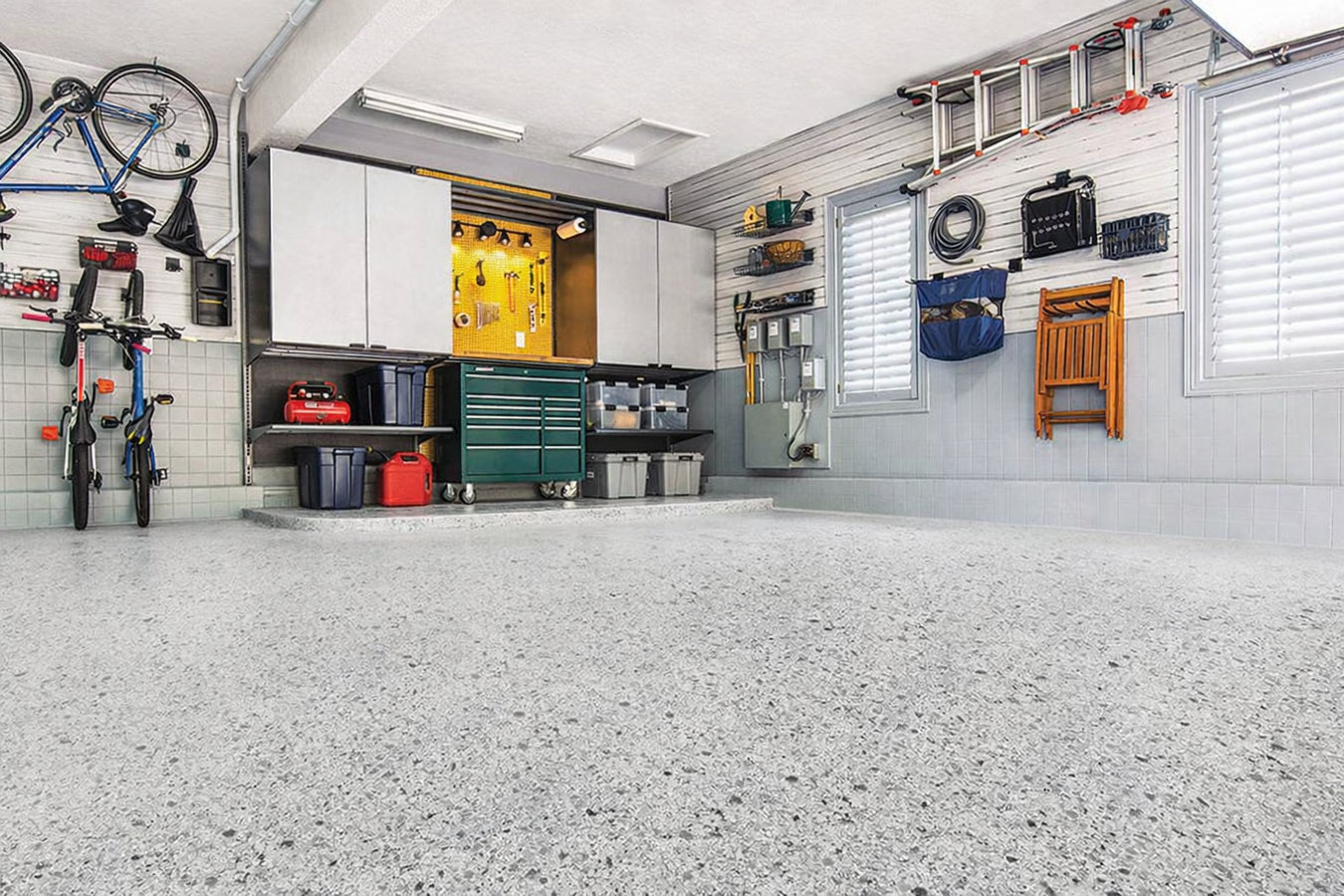
A cracked, uneven garage floor is more than an eyesore. We pour new garage floors built for Morgan County soil and Illinois winters, so you get a solid slab that holds up for decades.
Garage floor concrete in Jacksonville involves removing the old slab (if there is one), compacting the soil and gravel base, and pouring fresh concrete to a finished surface. Most standard two-car garage jobs take two to three days of active work, with the floor ready for vehicles in about a week.
In Jacksonville, the bigger challenge is what happens under the surface. Morgan County clay soil expands and contracts with the seasons, and many older garages were poured on inadequate bases that shift over time. Getting the base right is what separates a floor that lasts 30 years from one that starts cracking within a few seasons. If you are also thinking about decorative concrete finishes, we handle that in the same project.
Whether your garage floor is cracked, uneven, or simply worn out after decades of Illinois winters, we give you a written estimate before any work starts so you know exactly what you are getting into.
Hairline cracks are normal and usually harmless. But if you can fit a pencil tip into a crack, or if cracks run diagonally from the slab corners, the ground beneath has likely shifted - a common result of Jacksonville's clay soil expanding and contracting over many seasons. Left alone, those cracks let in water that freezes in winter and widens the gap each year.
If the top layer of your garage floor is peeling off in thin chips - especially near the garage door where road salt and snowmelt get tracked in - that is called spalling. In central Illinois winters, road salt is a major culprit. Once spalling starts, it tends to spread unless the floor is replaced or professionally resurfaced.
A properly poured garage floor slopes toward the door so water drains out. If you notice puddles forming in the middle or back of your garage after rain, the floor was not poured with the right slope or has settled unevenly. Standing water accelerates concrete deterioration and can signal a drainage problem worth fixing before it affects your foundation.
If you roll a ball across your garage floor and it curves noticeably, or if you can see a visible low spot, the slab has settled unevenly. In older Jacksonville homes, this often happens when the original base was not properly compacted - the soil underneath has slowly compressed under the weight of the slab and vehicles over the years.
Most garage floor projects start with demolition and haul-away of the existing slab, followed by proper base preparation - grading, compacting, and setting gravel - before the concrete truck arrives. We pour to the right thickness for your use, tool control joints to manage future cracking, and finish the surface with a broom or trowel finish depending on your preference. For homeowners who want something beyond plain gray, we also offer decorative concrete options including staining and stamped finishes.
After the pour, many homeowners also ask about concrete floor installation for other areas of the home. We handle both residential and light commercial garage slabs throughout Jacksonville and the surrounding area, and every project comes with a walkthrough at the end so you know exactly what was done and how to care for the new floor.
Best for garages where the existing floor is cracked, uneven, or simply too deteriorated to repair.
Ideal for new garages or additions where no existing slab is present and the base needs to be built from scratch.
The standard choice for most residential garages - textured surface that provides grip and is easy to maintain.
A good fit for homeowners who want a garage that looks as good as it functions, with color or pattern built into the surface.
Jacksonville sits on Morgan County clay soil - ground that expands when wet and contracts when dry. That seasonal movement is the number one reason garage floors in this area crack prematurely. When a contractor skips proper base compaction or cuts corners on gravel depth, the slab has nothing stable to rest on. The Illinois freeze-thaw cycle does the rest. Jacksonville averages around 20 days per year when temperatures dip below 20 degrees, and that repeated cycling above and below freezing drives water into cracks and forces them wider each winter. A floor poured with the right base, the right thickness, and proper control joints handles all of that without failing. For homeowners in Beardstown and Virden, the same soil and climate conditions apply, and we handle garage floor projects throughout those communities as well.
Jacksonville's housing stock also skews older - many homes were built before 1970, when garage floor drainage standards were less rigorous. If your garage is in an older home, the original floor may not have been poured with the right slope toward the door, which means water pools and slowly works its way into the concrete. Replacing the floor is an opportunity to fix the drainage slope at the same time. The American Concrete Institute sets the industry guidelines for residential slab construction that we follow on every project. Morgan County permit requirements may apply depending on the scope of your project, so we handle that conversation upfront.
We respond within one business day. We will ask about the size of your garage, whether there is an existing slab to remove, and what you plan to use the space for - so we can give you a realistic estimate range before anyone shows up.
We come look at the space, check the existing floor condition, and assess drainage and soil. You get a written estimate that covers everything - demo, base prep, pour, and finish - before a single tool is picked up. No surprise add-ons at the end.
On work day, we break out the old slab, haul it away, compact the base, and lay any moisture barrier. The pour itself is typically done in a few hours for a standard two-car garage. Control joints are cut to guide any future cracking into predictable lines.
Walk-on access in 24 to 48 hours. Drive-on access after seven days. We walk through the finished job with you, explain the control joints, and give you simple care instructions including when to consider applying a sealer to protect against road salt and moisture.
No obligation. We will come look at the space and give you a written number before any work starts.
(217) 271-0278We have poured garage floors throughout Jacksonville and Morgan County and understand how clay-heavy soil behaves through Illinois seasons. Every project starts with proper base compaction - the step most homeowners never see but that determines how long the floor lasts.
You will never get a low number upfront and a higher bill at the end. Our written estimates account for the specific conditions of your garage - including demo, base prep, and finish - so there are no surprises when the job is complete.
We follow American Concrete Institute guidelines for residential slab construction on mix design, curing, and control joint placement. That means your floor is built to industry standards, not just what is fast or convenient on pour day. The ACI details are available at concrete.org if you want to understand what those standards involve.
Before we leave, we walk you through the finished floor, explain what the control joints are for, and give you straightforward care instructions. You will know exactly what was done and why - not just have a finished slab with no context.
Every garage floor project we complete is backed by local knowledge of Jacksonville soil, climate, and housing stock. When you call us, you are talking to people who have worked on garages across Morgan County for years - not a regional chain sending whoever is available.
Add color, texture, or pattern to your garage slab or outdoor surfaces for a finished look that still performs like standard concrete.
Learn MoreInterior concrete floors for basements, workshops, and living spaces - poured and finished to the same standard as your garage slab.
Learn MoreSpring slots fill fast in Morgan County - reach out now and lock in your date before the busy season takes over.